
Women Book Awards 2026
A Spotlight on Publishing, Representation and Cultural Impact
For Rwanda’s publishing sector, the Women Book Awards 2026 was more than a celebration of authors—it was a statement about the evolving ecosystem of publishing, literacy, and cultural storytelling. Mutesi Gasana Chantal brings more.
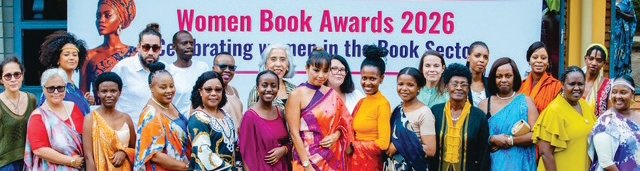 Held in Kigali during Women’s Month, Women Book Awards 2026 illuminated how women in publishing—from writers and editors to cultural advocates—are shaping the country’s literary and educational landscape, while simultaneously reinforcing why representation and diverse voices are critical to the sustainability of the industry.
The awards brought together authors, publishers, educators, and international diplomats, highlighting the interdependent nature of publishing in Rwanda. As curator Gasana Mutesi reflected, the sector is not just about books on shelves; it is about how stories travel, whose perspectives are amplified, and how publishing can nurture identity. Gasana recalled her early experiences in the industry, noting that most books available to young readers featured foreign cultures. “Women are often the first storytellers to their children,” she said. “By writing our own stories, we ensure that culture, language, and lived experience are preserved for future generations.”
Keynote address…
The theme of representation resonated strongly throughout the ceremony. Madam Kazree Gogoi, spouse of the Ambassador of India to Rwanda, delivered a keynote addressing why diversity in publishing is essential. She emphasized that the stories circulating in society shape cultural understanding and influence who is seen, heard, and valued. “For literature to reflect society meaningfully,” she noted, “it must include voices that have historically been underrepresented. Female voices in publishing are not just symbolic—they are transformative.” Her remarks underscored the publishing sector’s role as a gatekeeper of culture and identity, and highlighted the ongoing need to invest in platforms that elevate marginalized perspectives.

The awards…
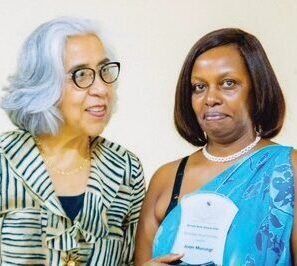
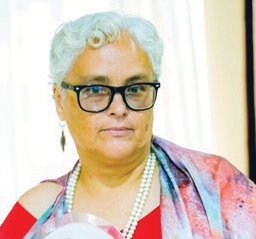
International engagement reinforced this point. The Ambassador of Germany to Rwanda, Amb Heike Uter Dettmann personally awarded five women across five different categories, signaling recognition of Rwanda’s growing literary ecosystem and its potential as a hub for cultural diplomacy. This intersection between publishing, education, and international collaboration reflects a broader understanding that books are not just commercial products—they are instruments of knowledge, representation, and influence.
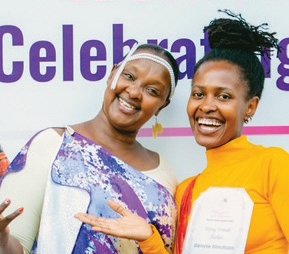
The awards themselves reflected the range of publishing roles that sustain Rwanda’s literary ecosystem. Emerging voices such as Lise Nova Berwadushime, who received the Emerging Talent Award, demonstrate how writing and storytelling respond to lived experience, providing content that resonates with readers and strengthens local markets. Young author Denyse Umuhuza was recognized for her contributions to children’s literacy through community library initiatives, illustrating the essential link between content creation, distribution, and readership.
Publishing leadership was also highlighted. Judence Kayitesi of Inzozi Publishers was recognized for her commitment to bridging the gap between writers and readers, demonstrating how publishers play a central role in ensuring that stories not only exist but circulate effectively. Initiatives like Betsy Dickey’s Reading Riders program further underscore the role of distribution and outreach in building the reading market and strengthening the publishing sector.
Inclusivity and representation were emphasized across award categories. Credia Umuhire Ruzigana received the Inclusive Publishing Award for producing braille books and culturally contextualized materials, expanding access to literature for marginalized readers. Similarly, Umuneza Denys was recognized for promoting Kinyarwanda and Rwandan culture through her work with Muraho Rwanda, demonstrating how cultural preservation is a key component of publishing strategy in local markets.
On the authorial front, award-winning author Mukagasana Yolande emphasized the strategic importance of nurturing young writers while preserving Kinyarwanda. “Young people are a key highlight in these awards,” she said. “I want to encourage them to write in Kinyarwanda because Kinyarwanda is us. If our language dies, we die with it.” Her remarks reminded attendees that publishing decisions—what gets printed, marketed, and circulated—have cultural consequences and directly affect the long-term vitality of local literary ecosystems.
Diverse voices…
The evening also included insights from international voices in literature. Ambassador Irene Vida Gala, the Brazilian envoy to Rwanda, encouraged women to assert themselves in creative and professional spaces. “Women sometimes need to be a little annoying to take up space,” she said, emphasizing that visibility and persistence are integral to achieving influence within the publishing sector.
Keynote speaker Bianca Santana highlighted Rwanda’s global leadership in gender representation, pointing out that women hold roughly 60 percent of parliamentary seats, compared to 18 percent in Brazil. For her, publishing was not merely an art form but a responsibility. “Do not hold back,” she told the audience. “Work toward quality, and let your voices speak out.” Her remarks framed publishing as both a platform for excellence and a mechanism for social accountability, emphasizing the need for authors and publishers to maintain high standards while representing diverse experiences.
The 2026 awards illustrate several industry realities: publishing is not just a business; it is a cultural ecosystem requiring investment in diverse voices, attention to language, and strategies that connect authors, readers, and communities. Representation—gendered, linguistic, and cultural—is not merely symbolic; it is central to sustaining readership, nurturing talent, and maintaining relevance in an increasingly globalized market.
By spotlighting authors, publishers, and literacy innovators, the Women Book Awards reaffirmed that publishing in Rwanda is at an inflection point. It is a sector where women are defining markets, setting standards for quality, and ensuring that stories reflect the breadth of Rwandan experience. With support from local institutions and international partners, this ecosystem is poised to continue expanding, demonstrating how literature, publishing, and representation converge to shape both culture and society.
Mutesi Gasana Chantal is a Rwandan author, publisher, bookseller, and passionate literacy champion. As the founder of key initiatives in the local publishing and book distribution space, she has played a vital role in promoting a reading culture across Rwanda and beyond. Through her work, Chantal empowers writers, nurtures local storytelling, and advocates for accessible education and literacy.
Comments are closed.