
Rwanda launches first-ever Umurage International Books and Art Festival in Kigali
Rwanda has launched the inaugural Umurage International Books and Art Festival (October 1-3, 2025), marking a significant milestone in the country’s cultural landscape. The historic event took place at the Kigali Genocide Memorial Amphitheater, a location deeply symbolic of Rwanda’s journey of remembrance, healing, and renewal. Mutesi Gasana Chantal shares more.
Mutesi Gasana Chantal is a Rwandan author, publisher, bookseller, and passionate literacy champion. As the founder of key initiatives in the local publishing and book distribution space, she has played a vital role in promoting a reading culture across Rwanda and beyond. Through her work, Chantal empowers writers, nurtures local storytelling, and advocates for accessible education and literacy.
 Mutesi Gasana Chantal is a Rwandan author, publisher, bookseller, and passionate literacy champion. As the founder of key initiatives in the local publishing and book distribution space, she has played a vital role in promoting a reading culture across Rwanda and beyond. Through her work, Chantal empowers writers, nurtures local storytelling, and advocates for accessible education and literacy.
Organized by Arise Education in partnership with the Ministry of Youth and Arts, the festival brings together publishers, authors, academics, literary agents, and cultural institutions from across Rwanda and beyond. It aims to become an annual international gathering, positioning Rwanda on the global cultural calendar for book lovers and creatives.
A platform for literature and heritage
The inaugural edition’s theme, “Cultural Renaissance: The Power of Art, Heritage, and Storytelling,” explored how literature and the arts serve as tools for healing, memory preservation, and national identity—particularly in the context of the 1994 Genocide against the Tutsi.
Festival activities included an interactive book fair, fireside chats with authors, panel discussions, roundtable conversations, and artistic showcases designed to entertain, educate, and spark critical conversations around literature and memory.
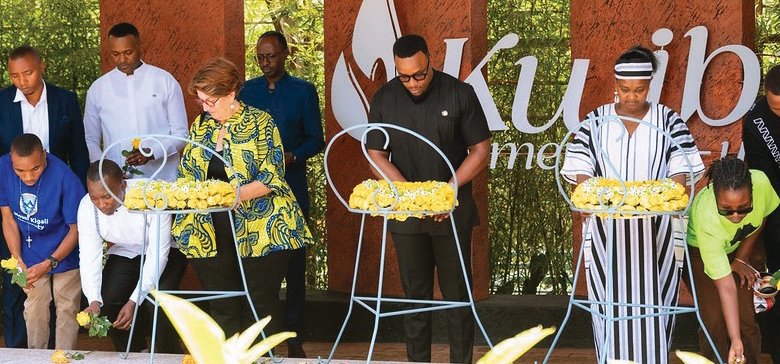 The festival drew participation from publishing houses like Mudacumura Publishing, renowned Rwandan and international authors, academic institutions, secondary schools, and literary agents. A particularly moving moment came during a keynote by internationally acclaimed Rwandan author Mukagasana Yolande, whose memoir “It’s Not My Time to Die” chronicles her survival of the genocide, underscoring literature’s power in bearing witness and reclaiming history.
Long overdue recognition
At the opening ceremony, the Permanent Secretary Dr. Brave Ngabo of the Ministry of Youth and Arts called the festival “long overdue,” noting that books play a critical role in preserving collective memory, educating future generations, and shaping a society grounded in knowledge and empathy.
Festival curator Gasana Mutesi described the inaugural edition as “a baby we have birthed,” adding, “We are committed to nurturing it until it grows into an international cultural force.”
Looking to the future, Mutesi shared ambitious expansion plans: “Next year, we expect even greater international participation, with an expanded lineup of activities, including a major focus on Rights Licensing, which will be crucial in professionalizing Rwanda’s book sector and opening access to global markets.”
International recognition and collaboration
Distinguished international guest Agnes Debiage, a respected figure in the African book industry, applauded Rwanda’s efforts in organizing the literary gathering. “Rwanda needed this,” she remarked, commending the organizers for creating a space that nurtures storytelling, literacy, and publishing development on the continent. As part of her contribution, Debiage conducted specialized training for 15 Rwandan authors who write in French, helping strengthen their craft and expand their reach within Francophone literary markets.
The Deputy Director General of the Rwanda Cultural Heritage Academy delivered a keynote address on Day Two, emphasizing the importance of mother languages in fostering multilingualism and preserving cultural identity. He shared findings from recent research on the culture of reading in Rwanda, sparking discussion on building stronger reading habits across generations.
Addressing industry challenges
The festival also tackled pressing industry concerns, including challenges around Intellectual Property (IP) rights—a significant hurdle for many African authors and publishers. Discussions led by experts and legal professionals highlighted the need for clearer frameworks and protections to ensure writers retain ownership and control over their work.
One recurring theme was the power of writing as a form of healing and resistance. Authors, publishers, students, and readers spoke of “writing from pain,” using personal and collective trauma as a source of strength to change narratives, reclaim identity, and reshape the future. Munyentwari Alphonse, Country Director of Aegis Trust, delivered a keynote titled “The Role of Storytelling in Post-Genocide Healing,” underscoring how storytelling serves as both a tool for healing and a means of preserving historical truth.
A movement takes root
With its successful debut, the Umurage International Books and Art Festival promises to become a cornerstone of Rwanda’s cultural calendar. More than just an event, it represents a powerful declaration that Rwanda is ready to take its place on the world stage as a thriving hub of literature, arts, and ideas—a nation not only of resilience and innovation but also of cultural richness and creative expression.
Comments are closed.