
The Expanding Universe of Indian Language Publishing
Translation, regional readerships, literary collaborations, and new publishing energies are reshaping India’s multilingual literary world
Indian language publishing is entering a powerful new phase. Across Marathi, Bangla, Tamil, Malayalam, Kannada, Hindi, Urdu, Gujarati, Odia, Assamese, and several other languages, translations are helping literature travel beyond regional boundaries and reach newer readers across the country. Publishers, translators, literary festivals, digital platforms, and translation initiatives are all contributing to this growing momentum, creating fresh conversations around readership, cultural exchange, and literary collabo ration. Smita Dwivedi shares more.
To understand the shifting dynamics of this evolving ecosystem, Smita Dwivedi spoke to four voices deeply connected to Indian publishing and translation — Sanchit Toor, Head of Projects, Ashoka Centre for Translation, Ashoka University; Dr. Chandana Dutta, Author, Editor, Translator, and Publishing Mentor; Akhil Mehta, Director, Mehta Publishing House; and Dinesh Sinha, Executive Editor, Ratna Books (An imprint of Ratna Sagar Pvt Ltd). Together, their insights reveal an Indian publishing industry in transition — ambitious, layered, collaborative, and rapidly expanding.
“Literature must preserve local histories and knowledge while remaining deeply connected to the contemporary idiom.”
-Sanchit Toor, Head of Projects, Ashoka Centre for Translation
 Growing demand for Bhasha knowledge…
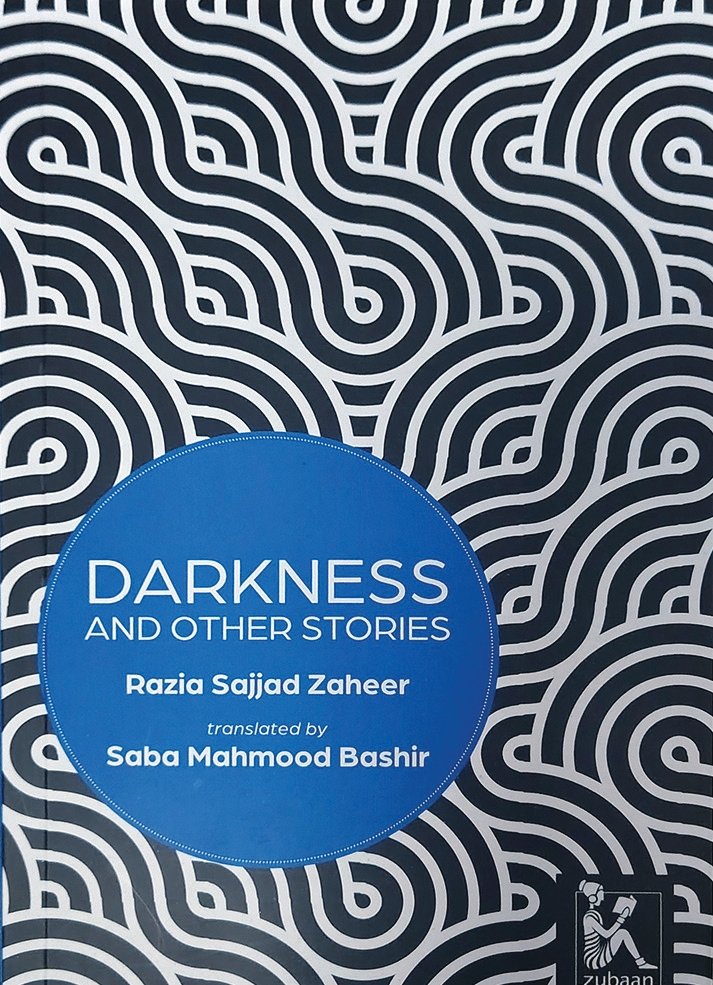
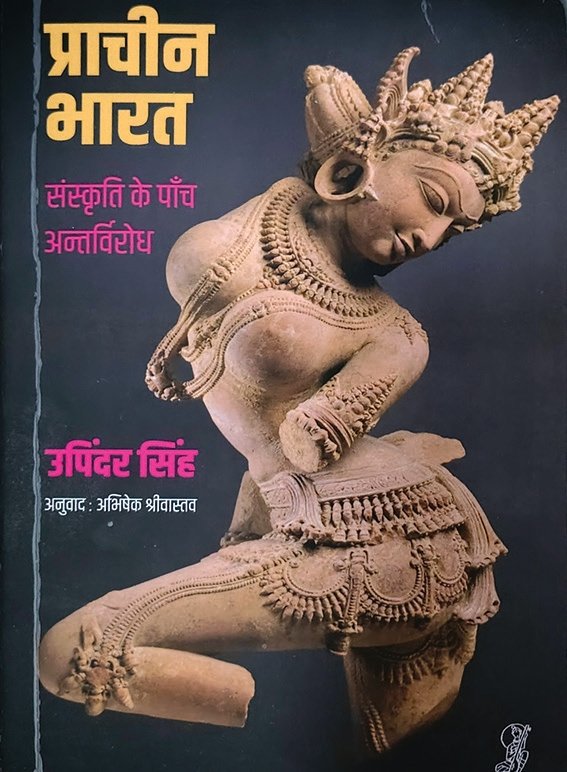
Sanchit explains the growth in this segment with facts and said, “There appears to be a growing demand for accessing knowledge materials in our own languages (an observation made by linguist Peggy Mohan at our second Bhashavaad conference in New Delhi in August 2025), which becomes a convincing factor in favour of the recent surge in translations in Indian languages, notwithstanding the long history of translation trails. We, too, are working on translating scholarship into Indian languages, beginning with an ongoing list of historical works in Hindi with Vani Prakashan. Our aim is to produce translations from many Indian languages into many Indian languages. While our languages are not new to such exchanges—as a particular ‘translating consciousness,’ as argued by scholar G. N. Devy, has been foundational to the making of modern Indian literatures—our entire linguistic landscape appears to be undergoing a major change currently, fuelled by both the availability of more translated material (beyond literature) and the demand for it across our languages. Somewhere, perhaps, readers are also seeking the diversity and context – specificity brought forth by materials that originate directly from the bhashas, their own or others, as opposed to the anglophone sphere. This speaks to the democratising potential of translation; with each text translated from one Indian language to another, not only do we increase overall readership, but we also strengthen the wider Indian publishing ecosystem.”
Beyond English…
According to Sanchit, Indian languages have always existed in conversation with one another. He points to Rita Kothari’s translation of Shah Abdul Latif’s ‘Risalo’ from Sindhi into Hindi and Arunava Sinha’s Bengali translation of the Tamil graphic narrative ‘Vaadivaasal’ as examples of direct exchanges between Indian languages. At the same time, he believes English continues to play an important, though increasingly dynamic, role in helping regional works gain wider visibility.
Translation finds new visibility…
He observes that awards, fellowships, conferences, and translation-focused initiatives have significantly increased the visibility of Indian literature in translation. International recognition for collaborations such as Geetanjali Shree and Daisy Rockwell, as well as Banu Mushtaq and Deepa Bhasthi, has helped create larger readerships for translated Indian fiction.
However, he feels Indian non-fiction in translation still remains underexplored despite the vast body of literary, scholarly, and cultural writing available across Indian languages.
The challenge of translating between Indian languages…
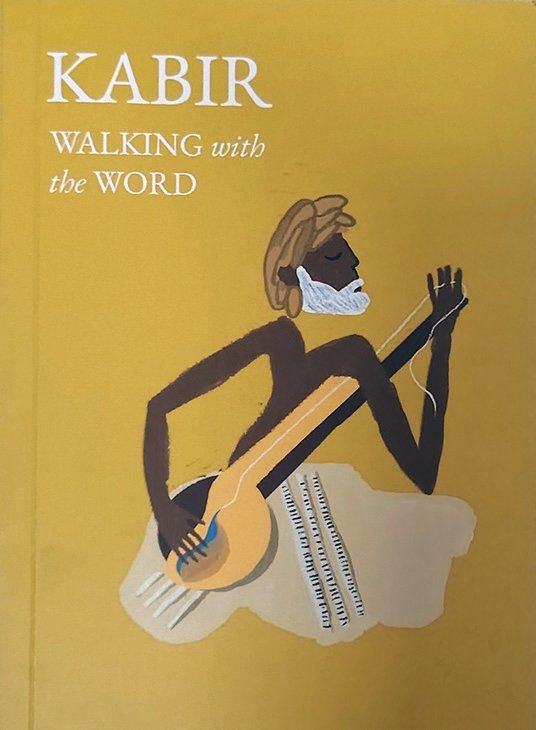
For him, translating between Indian languages involves navigating shared histories, devotional traditions, and cultural overlaps. Recalling the multilingual volume “Kabir: Walking with the Word” (AfterWord, 2024), he says translators often encountered words and concepts already embedded within target languages because of shared Bhakti-Sufi traditions.
This cultural intimacy, according to him, becomes both the challenge and the strength of translation within India’s multilingual literary landscape.
Towards a more connected literary market…
While Sanchit believes India is slowly moving towards a more interconnected literary ecosystem, he also feels the process is still evolving. English often remains the first point of visibility for many regional works before they travel into other Indian languages.
Yet, with stronger collaborations between publishers, translators, literary institutions, and readers, he sees promising possibilities for a far more connected Indian publishing landscape in the years ahead.
“We have made a small attempt at this at our Bhashavaad: National Translation Conference, whose third annual edition is scheduled for 29th and 30th August at the India International Centre in New Delhi. In short, interconnection is a process, and the more collaborations, the better,” he concludes.
“Translation in India thrives in the shared cultural rhythms of our bhashas and the growing Indianness of English.”
-Dr. Chandana Dutta, Author, Editor, Translator, and Publishing Mentor
Indian language publishing has always been mainstream…
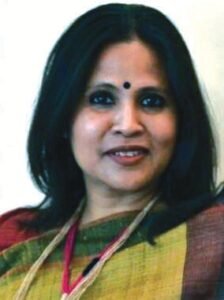 For Dr. Chandana Dutta, Indian language publishing has always been mainstream. She rejects the idea that bhasha literature occupies a marginal space compared to English publishing. According to her, every Indian language carries its own large and dedicated readership, and translations are now helping readers reconnect with literary traditions they may have become distanced from over time.
Translating culturally dense texts
She offers one of the most nuanced reflections on the challenge of translating culturally dense and dialect-rich texts. Indian languages, she says, are not static systems but constantly shifting living entities shaped by history, politics, mythology, geography, and everyday speech.
A translator, according to her, must remain deeply sensitive to the sound, rhythm, visuals, meanings, and emotional texture of the original text without flattening or simplifying difficult portions merely for readability.
Challenges within the translation ecosystem…
She also points to the practical difficulties of working within India’s translation ecosystem. Tracing estate holders in remote areas, dealing with publishers or journals that shut down unexpectedly, and navigating contracts that may appear intimidating to regional authors or rights holders unfamiliar with English publishing systems often become major challenges.
Visibility through festivals and awards
Despite these hurdles, she believes the increasing visibility of translations, literary festivals, and awards is helping regional works travel farther across languages and readerships. According to her, such platforms are gradually creating stronger connections between readers and Indian language literature.
“With more demand of cross-language publishing, the need for skilled literary translators remains greater than ever.”
-Akhil Mehta, Director, Mehta Publishing House
Cross-language publishing is growing rapidly…
 For Akhil Mehta, the rise in cross-language publishing is undeniable and filled with untapped potential. According to him, translations between Indian languages are steadily growing and could expand dramatically in the coming years.
At the same time, he believes English and Hindi will continue to remain important bridge languages because finding truly skilled literary translators between Indian languages is still a major challenge. Understanding two languages alone, he stresses, does not automatically make someone capable of literary translation.
OTT and digital platforms are influencing translation trends…
Akhil believes OTT platforms, audiobooks, and digital content are beginning to significantly influence which regional works gain visibility and translation opportunities. According to him, India still has a vast reservoir of stories waiting to be adapted for newer formats and audiences.
Readers connect more deeply with Indian contexts…
 According to him, translations between Indian languages often perform better than translations from foreign languages because readers naturally connect with familiar cultural contexts, traditions, and social realities. This relatability, he feels, plays an important role in the growing popularity of Indian language translations.
Rights and professional structures need improvement…
While discussing the regional publishing ecosystem, Akhil acknowledges that many areas still lack complete professionalism, particularly in rights management and contractual systems. However, he believes literary festivals and awards are helping regional works travel faster across languages and readerships.At the same time, he feels more such initiatives are needed beyond metro cities and into smaller towns to strengthen the reach of Indian language literature further.
AI as a support tool…
On AI-driven translation tools, Akhil takes a practical view. While he does not believe AI is yet capable of producing meaningful literary translations independently, he sees increasing value in using such tools for proofreading, editing, and workflow support within publishing houses.
“Language silos continue to shape Indian publishing, limiting the true interconnectedness that translations have the power to create.”
-Dinesh Sinha, Executive Editor, Ratna Books (An imprint of Ratna Sagar Pvt Ltd)
Strong regional literary traditions continue to thrive…
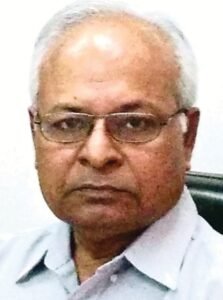 Dinesh Sinha believes India’s regional literary traditions have always been rich and robust. According to him, languages such as Bangla, Tamil, Telugu, Hindi, Gujarati, Marathi, Malayalam, Kannada, and Odia possess deep literary histories that long predate contemporary conversations around translation.
English continues to hold strong influence…
While translations across Indian languages are growing, Sinha does not believe English will lose its importance anytime soon. According to him, English publishing continues to command wider media attention, better production budgets, stronger market visibility, and easier access to international rights and foreign-language publishing opportunities.
Authenticity versus readability…
Dinesh points out that while cultural specificity can often be conveyed through contextual explanations or endnotes, dialects remain especially difficult to transfer into English. In his view, authenticity comes primarily from the translator, while readability is strengthened through editorial intervention.
Translation has gained new momentum…
According to him, translations from Indian languages into English have gained considerable momentum over the last decade. He believes literary festivals and the growing demand for fresh literary voices beyond the relatively limited pool of established English-language writers have contributed significantly to this rise.
Language silos still exist…
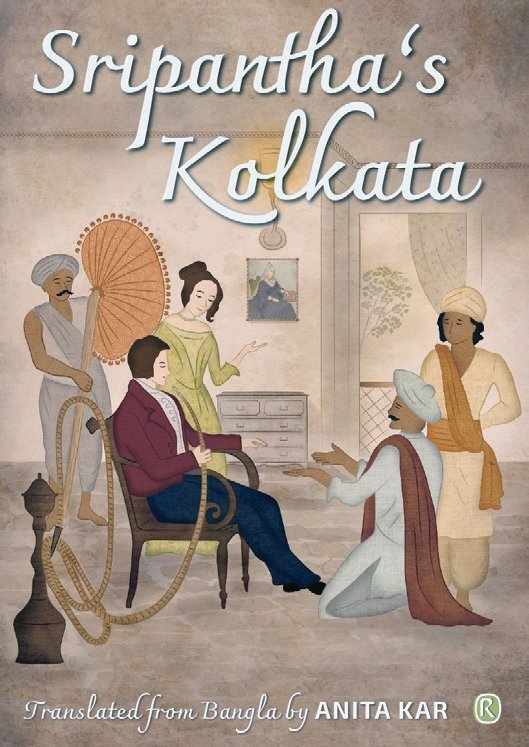
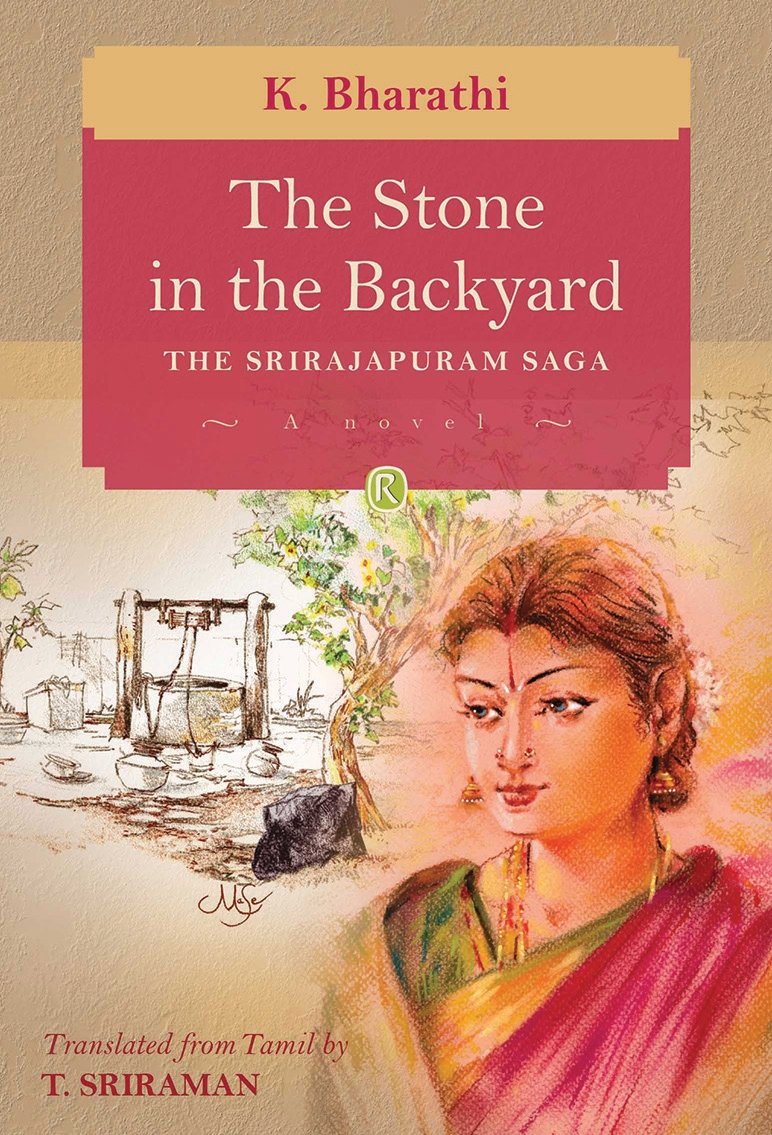
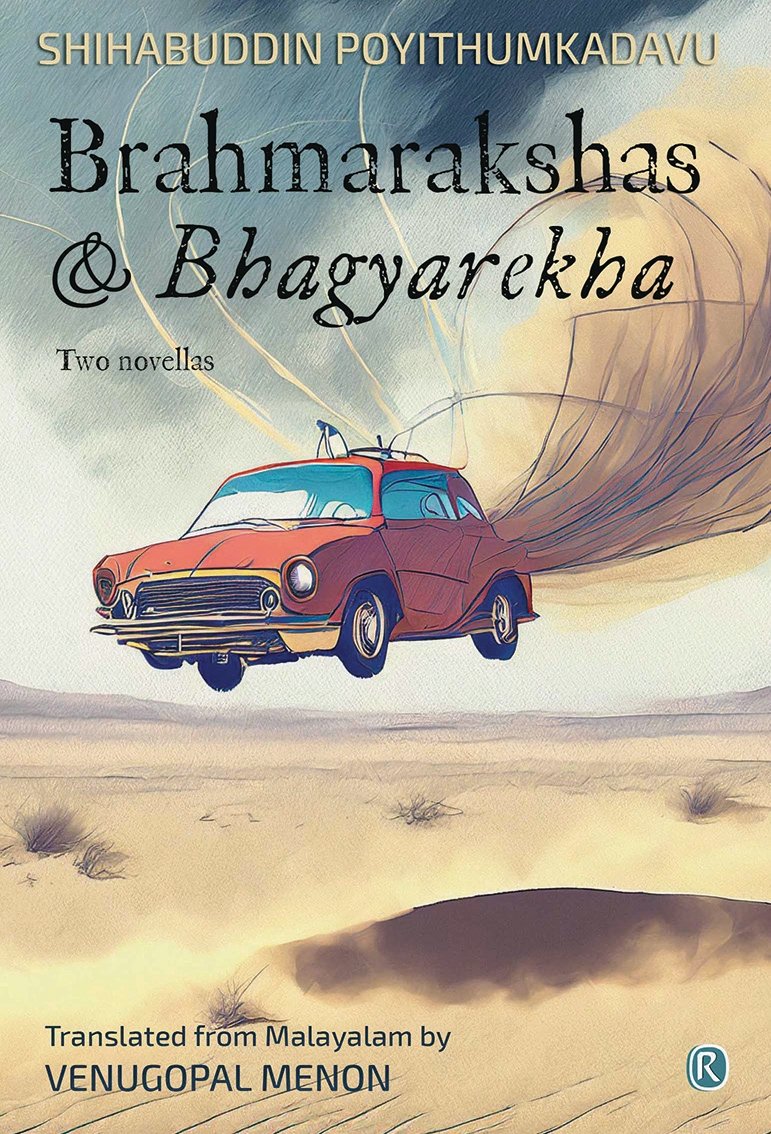
Despite increasing visibility for translations, Sinha feels language silos remain deeply entrenched within India’s publishing ecosystem. Regional bookstores, readerships, and literary circuits often continue to prioritise their own linguistic spaces over wider inter-language exchanges.
However, he acknowledges that awards, translation initiatives, and literary platforms are gradually helping create stronger interconnectedness across languages.
AI still has a long way to go…
On the subject of AI-driven translation tools, Dinesh believes technology still has a long way to go before it can handle meaningful literary translation with genuine cultural and emotional sensitivity.
Taken together, these conversations reveal an Indian publishing industry in the midst of significant change. Translation today is no longer confined to literary prestige alone. It is becoming central to how readers discover regional voices, recover linguistic identities, access scholarship, and engage with India’s cultural plurality.
Comments are closed.